

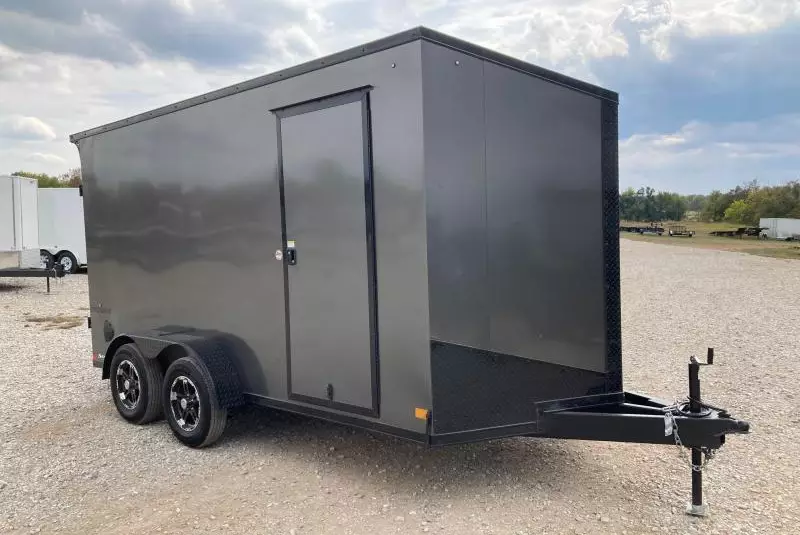
6 Effective Tips When Buying a Utility Trailer
 Neighbors Trailer
Sep 25, 2023 408 8 min read utility traile
A utility trailer is one of the most practical investments you can make as a homeowner, contractor, or small business operator. These open-bed trailers handle everything from hauling landscaping supplies and building materials to moving furniture, transporting ATVs, and cleaning out properties. With prices ranging from a few thousand dollars to well over ten thousand depending on size and build quality, choosing the right utility trailer takes careful consideration.
If you are buying your first utility trailer or upgrading from a smaller model, this guide gives you six proven tips to make a smart purchase. We cover sizing, materials, axle configurations, key features to prioritize, and how to avoid the most common buying mistakes that cost new owners time and money.
What Makes a Utility Trailer Different from Other Trailers
Utility trailers are open-bed trailers with low sidewalls, typically ranging from 12 to 24 inches high. They are designed for general-purpose hauling rather than specialized transport. Unlike enclosed trailers that protect cargo from weather, utility trailers offer easy access from all sides for loading and unloading with forklifts, cranes, or by hand. Compared to flatbed trailers, utility trailers have side rails that help contain loose cargo without requiring extensive strapping for every load.
This versatility is what makes utility trailers the best-selling trailer category in the United States. They work for homeowners who need occasional hauling capacity, landscaping companies that transport equipment daily, and contractors moving materials between job sites. On platforms like Neighbors Trailer, utility trailers are among the most frequently rented trailer types because of their broad usefulness.
Tip 1: Choose the Right Size for Your Primary Use
Utility trailers range from compact 4x6-foot models to full-size 7x20-foot tandem axle haulers. Buying too small means you will overload the trailer or need multiple trips. Buying too large means higher cost, more difficult storage, and a heavier tow load than necessary. Start by identifying what you will haul most frequently, then size your trailer to handle that load comfortably with some room to spare. If you'll only haul occasionally, it's worth weighing renting against buying first — our utility-trailer buy-vs-rent breakdown compares the two.
| Trailer Size | Typical GVWR | Common Uses | Tow Vehicle Needed |
| 4x6 to 5x8 ft | 1,500 - 2,500 lbs | Yard waste, small appliances, light cargo | SUV or small truck |
| 5x10 to 6x12 ft | 2,500 - 5,000 lbs | Landscaping equipment, furniture, ATVs | Half-ton truck or large SUV |
| 6x14 to 7x16 ft | 5,000 - 7,000 lbs | Construction materials, multiple ATVs, heavy equipment | Half-ton to three-quarter-ton truck |
| 7x18 to 7x20 ft | 7,000 - 10,000 lbs | Vehicles, heavy machinery, large material loads | Three-quarter-ton or one-ton truck |
For most homeowners and light commercial users, a 5x10 or 6x12-foot single axle trailer covers the majority of hauling needs while remaining easy to tow and store.
Tip 2: Understand Steel vs. Aluminum Construction
The frame and deck material affects your trailer's weight, durability, maintenance requirements, and price. Steel trailers are stronger per dollar and widely available, but they are heavier and require regular rust prevention through painting or galvanizing. Aluminum trailers resist corrosion naturally, weigh significantly less (improving fuel economy and reducing wear on your tow vehicle), and hold their resale value better. The trade-off is a higher upfront cost, typically 30 to 50 percent more than a comparable steel trailer.
If you live in a region with harsh winters where road salt is common, or if you plan to haul wet or corrosive materials regularly, aluminum is worth the premium. For dry-climate use and budget-conscious buyers, a quality steel trailer with a galvanized or powder-coated finish offers excellent value.
Tip 3: Single Axle vs. Tandem Axle
Axle configuration directly affects your trailer's weight capacity, stability, and cost. Single axle trailers are lighter, less expensive, easier to maneuver in tight spaces, and simpler to maintain with fewer tires and bearings. They work well for loads under 3,500 pounds. Tandem axle trailers distribute weight across four tires, providing greater stability at highway speeds, higher weight capacity, and a safety margin if one tire blows out during travel. For loads above 3,500 pounds or frequent highway towing, tandem axle is the safer and more practical choice.
NeighborsTrailer.com
Tip 4: Prioritize These Features When Shopping
Beyond size and materials, several features separate a utility trailer you will love from one you will regret. Here is what to look for during your search.
Ramp Gate or Drop Gate
A rear ramp gate lets you drive equipment directly onto the trailer, making loading riding mowers, ATVs, and wheeled equipment dramatically easier. A drop-down gate that doubles as a ramp offers the best versatility. Mesh ramp gates are lighter while solid gates provide a smoother loading surface.
Tie-Down Points
D-rings or stake pockets along the trailer bed give you secure attachment points for ratchet straps and bungee cords. More tie-down points mean more flexibility in securing different load shapes. Look for at least four D-rings on a small trailer and eight or more on larger models.
LED Lighting
LED lights are brighter, last longer, and use less power than incandescent bulbs. They also resist vibration damage better, which matters when you are hauling heavy loads over rough roads. Most quality trailers now come standard with LED lighting, but verify this before purchasing.
Treated or Coated Deck
Pressure-treated wood decks resist rot and last years longer than untreated lumber. Steel mesh decks drain water and are extremely durable but can be slippery when wet. Some trailers offer aluminum plank decks that combine light weight with corrosion resistance. Choose the deck material that best fits your typical cargo and climate.
Tip 5: Match Your Tow Vehicle to Your Trailer
Every tow vehicle has a published tow rating and payload capacity. Your loaded trailer weight (trailer weight plus cargo) must stay below your vehicle's tow rating, and the tongue weight must stay within your payload capacity. Exceeding these limits causes dangerous handling, accelerated brake wear, transmission overheating, and potential mechanical failure.
As a rule of thumb, keep your loaded trailer weight at or below 80 percent of your vehicle's maximum tow rating to maintain a safety margin for hills, wind, and emergency maneuvers. If you are shopping for both a trailer and a tow vehicle simultaneously, let the trailer requirements drive your vehicle choice rather than the other way around.
Tip 6: Buy from a Reputable Dealer or Verified Seller
Where you buy your utility trailer matters. Reputable trailer dealerships offer manufacturer warranties, financing options, and after-sale support for parts and service. They can also help you match the right trailer to your specific needs based on experience with thousands of buyers. When buying used, inspect the frame for cracks or rust, check tire age and condition, test all lights, examine the coupler and safety chains, and verify the title is clean. A pre-purchase inspection by a trailer mechanic costs $100 to $200 and can save you from buying a trailer with hidden structural problems.
If you want to test a utility trailer size and style before committing to a purchase, renting one first through Neighbors Trailer lets you try before you buy. Every rental automatically includes NT Protect, which is mandatory coverage charged to the renter at a few dollars per day, giving you peace of mind during your test run.
Frequently Asked Questions About Buying a Utility Trailer
Do I need to register and insure a utility trailer?
Most states require trailer registration, and some require annual inspections. Insurance requirements vary by state, but carrying liability coverage for your trailer is strongly recommended even when not legally required. Check your state's DMV website for specific registration, titling, and insurance requirements for utility trailers.
How long does a utility trailer last?
A well-maintained steel utility trailer typically lasts 15 to 20 years. Aluminum trailers can last 25 years or more because they do not rust. Longevity depends heavily on maintenance habits, especially bearing greasing, tire replacement, and corrosion prevention on steel frames.
What is the best utility trailer brand?
Popular utility trailer manufacturers include Big Tex, PJ Trailers, Carry-On, Diamond C, and Sure-Trac. The best brand for you depends on your budget, local dealer availability, and specific feature needs. Read owner reviews, compare warranties, and inspect build quality in person before deciding.
Can I use a utility trailer for a side business?
Absolutely. Many utility trailer owners earn income through junk hauling, lawn care services, moving assistance, or renting their trailer to others. Listing your trailer on Neighbors Trailer when you are not using it lets you earn rental income with minimal effort. The platform handles bookings, payments, and renter protection through NT Protect.
Make Your Utility Trailer Purchase Count
A utility trailer is a tool you will use for years across dozens of different jobs. Choosing the right size, material, and configuration now prevents frustration and unnecessary expense later. Take the time to measure your most common loads, verify your tow vehicle's capacity, inspect the build quality of any trailer you are considering, and do not be afraid to shop the used market for a quality trailer at a lower price. Your ideal utility trailer is out there, and these six tips will help you find it.
Related Articles
- The Ultimate Guide to Buying a Utility Trailer
- Heavy Hauling Tips for Trailer Safety
- Utility Trailer vs Cargo Trailer for Landscaping
- Benefits of Owning a Multipurpose Utility Trailer
Content updated March 2026